
Arrest Warrants in Menominee County
An arrest warrant commands a peace officer to take a named person into custody and bring them before a judge. A judge or district court magistrate signs it. That happens after review of a complaint and a finding of reasonable cause under MCL 764.1a. In Menominee County, the paper usually starts in district court. The county's criminal cases page lays out the sequence. An adult case opens with a complaint. A warrant follows when the person has not already been arrested, and an arraignment then sets bond.
From Complaint to Warrant in Menominee County
The local sequence moves fast. An officer or the prosecutor pulls the facts together. A complaint gets filed. Then a judge or magistrate reviews it for probable cause. If the person is not already in custody, a warrant issues so the Menominee County case can move ahead. After an arrest, arraignment follows without unnecessary delay: the court explains the charge, advises the person of rights, and sets bond. A felony stays in district court through a preliminary examination, which the county page describes as held within 21 days of arraignment. Once probable cause is found, the case binds over to the 41st Circuit Court, and that is the felony track in Menominee County.
What a Menominee County Arrest Warrant Contains
Menominee County publishes no warrant copies. The field list below follows the state rule on what a warrant must contain.
| Case and warrant number | A year plus a case-type code, such as YYYY-NNNNNN. No Menominee format is published, so use the number on the notice. |
|---|---|
| Named subject | The person named, or a description sufficient to identify that person. |
| Charge or offense | The offense charged, with the statute and its classification. |
| Issuing court and officer | The 95A District Court or the 41st Circuit Court, with the signature. |
| Bail or bond terms | Interim bail on the warrant, cash, surety, personal recognizance, or a no-bond hold. |
| Issue and return | The issue date, the serving agency, and the return filed with the court. |
Probable Cause and the Judicial Signature
Probable cause is the test a judge or magistrate applies before signing. The standard is modest. The sworn facts must be enough to believe an offense occurred and that this person committed it. Michigan rests that finding on a complaint and a supporting affidavit sworn before a judicial officer. The same review backs a search warrant. That paper authorizes a search of a described place rather than an arrest, and Michigan's benchbook explains the process and names the neutral magistrate as the reviewer.
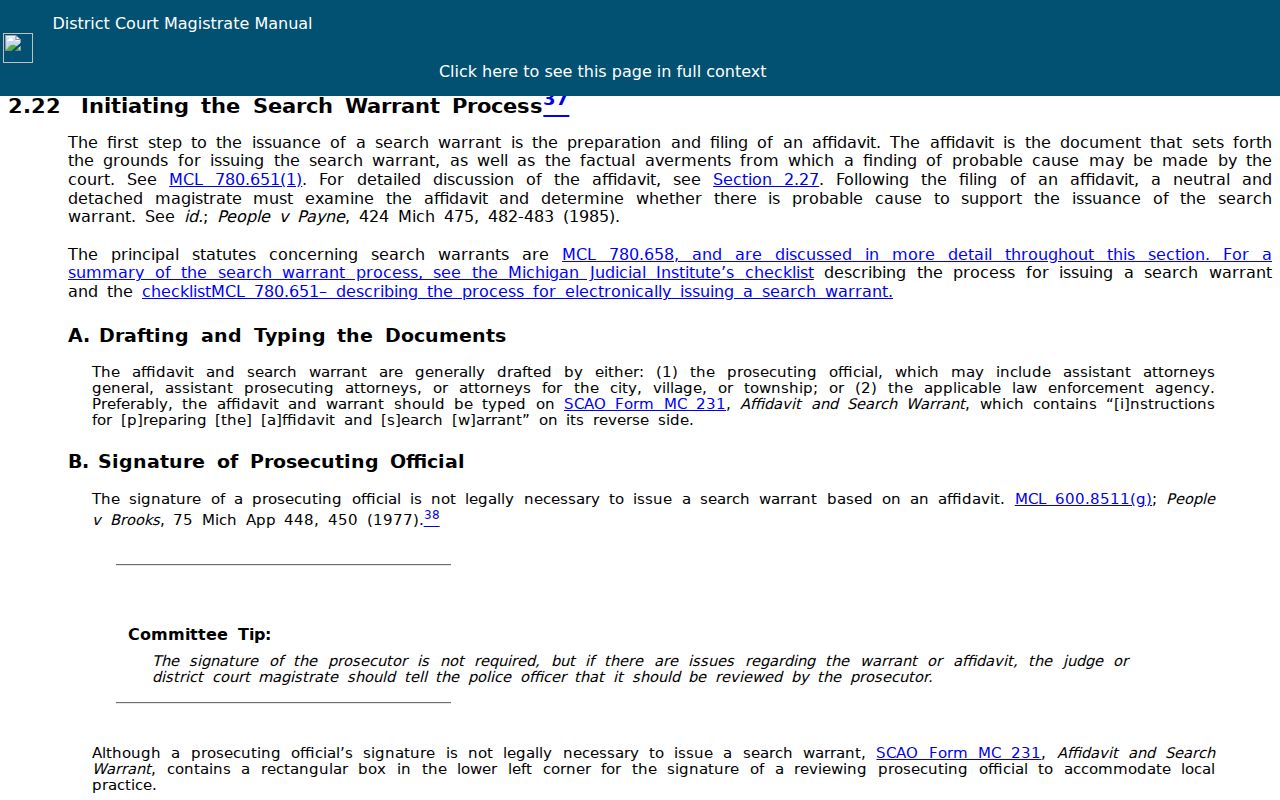
A search warrant never tells a reader whether an arrest warrant exists.
How Menominee County Arrest Warrants Are Served
Execution belongs to authorized hands. Only an authorized peace officer, or another person the law allows, may execute the warrant and return it to the court. The county prosecutor's office names the agencies for that work: the Menominee County Sheriff's Office, the City of Menominee Police Department, the Michigan State Police, the Department of Natural Resources, and the Hannahville Tribal Police. Service happens where the person is found, not at the courthouse. A traffic stop can trigger an arrest on open process. Booking, bond, and arraignment follow. The state police keep warrant data in secure regional systems. Menominee County callers cannot browse it. Their posts and teams use it.
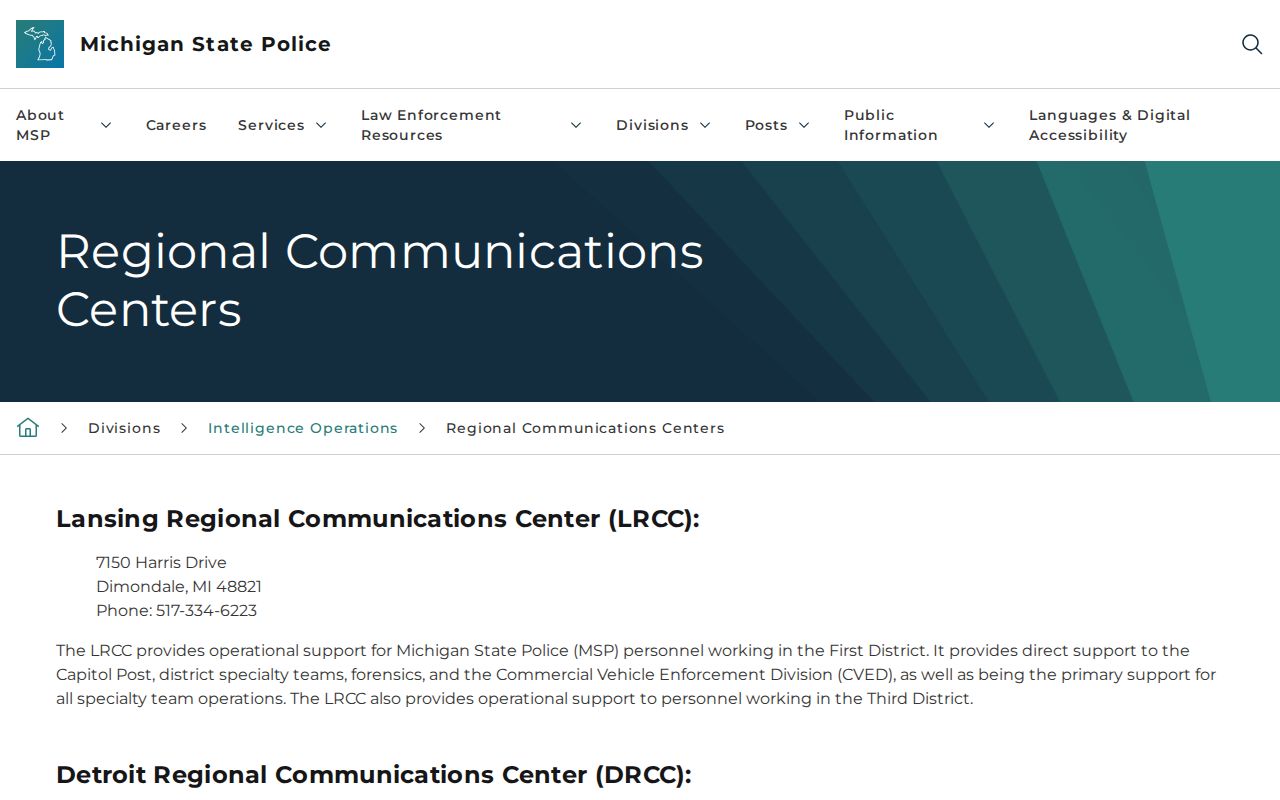
State police communication centers hold warrants for their own posts and teams. Menominee County residents cannot search that system.
Why ICHAT Is Not a Warrant Check
ICHAT is a criminal history listing arrests and convictions, not a warrant check. Warrant information never appears there. The state says so plainly. The state police page for its criminal history service states that suppressed records and warrant information are not available through it. The same page leaves out federal, tribal, traffic, juvenile, local misdemeanor, and other-state records. An empty report says little. It tells you almost nothing about whether a Menominee County court holds open process.
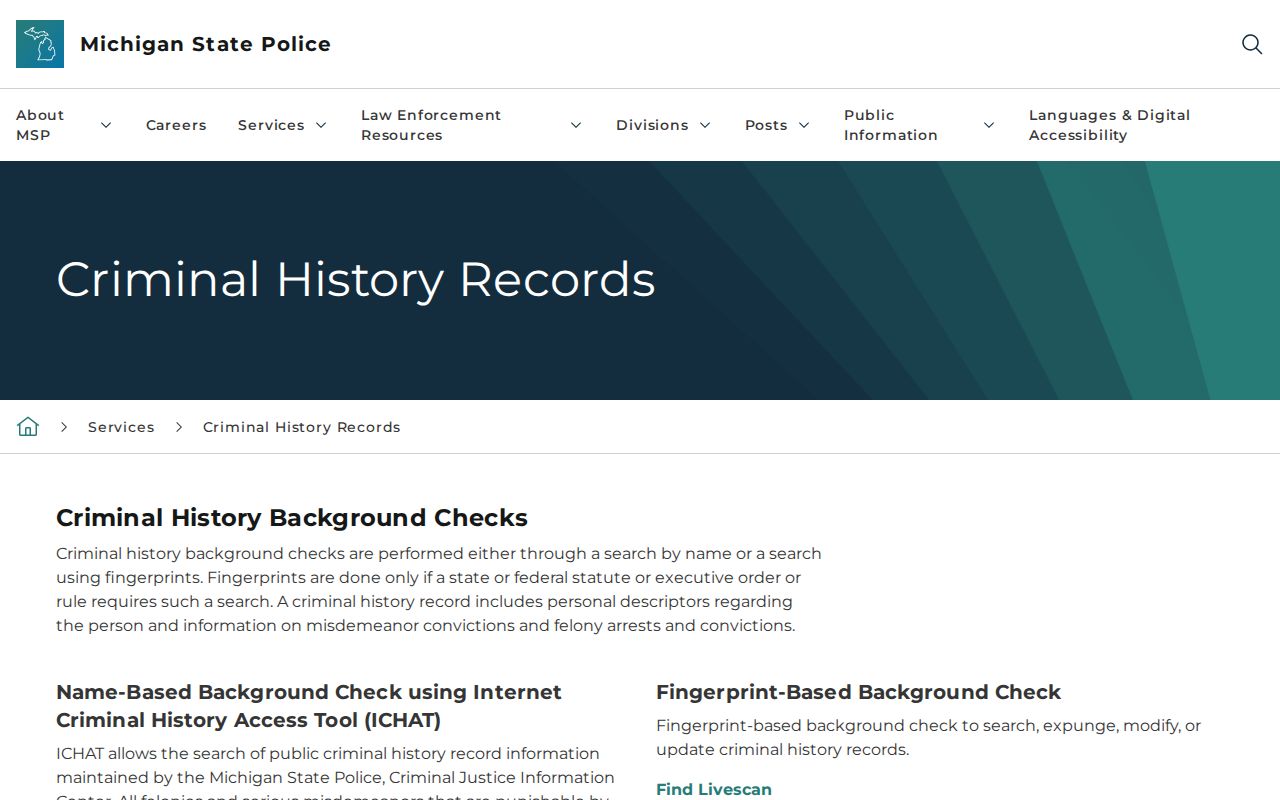
Read that limit before treating a criminal history as a warrant answer.
Arrest Warrant vs Summons vs Bench Warrant
Courts choose between two kinds of process. One takes a person into custody. The other simply asks the person to appear. A bench warrant differs from both, because it grows out of a Menominee County case that is already open.
| Feature | Arrest Warrant | Summons | Bench Warrant |
|---|---|---|---|
| What it orders | An officer takes the person into custody | The person appears on a set date | An officer brings the person in for a missed duty |
| Basis | Probable cause of an offense | A charge that does not need custody | A missed date or unmet order |
| Who issues it | A judge or district court magistrate | The court, served like other process | The judge on the open case |
| First step | Call the court about bond and appearance | Appear on the date on the paper | Ask the court about a new setting |
The missed-date route gets fuller treatment on the bench warrant page.
Menominee County Warrant Status Labels
Court staff use a small set of words for where a warrant stands. None appear on any public Menominee County list. So a reader hears them by phone.
- Active or outstanding
- The court has not recalled, quashed, or cleared the process.
- Served or returned
- An officer carried out the warrant and filed the result.
- Recalled or quashed
- The issuing court withdrew the warrant or set it aside.
- Superseded
- A later warrant or order replaced the earlier paper.
- Bond forfeiture
- Court action against posted bail after a missed appearance.
Note: an open case status is not a warrant status, so ask the clerk about the warrant itself.
What to Do If There's a Warrant for You
Call the issuing court first. Ask whether the warrant is active, what the bond is, and which appearance or filing the court will accept. Then talk to an attorney. A voluntary appearance is a legal step, not a form to complete alone. Michigan also gives a person wanted on an arrest or bench warrant a defined path. It applies during the first year. Under MCR 6.105, the court arraigns within two hours when a judge is available, or recalls the warrant and sets a new date. There are exceptions. Assaultive and domestic-violence matters are excluded, along with a person who already used the rule.
Important: speak with an attorney before turning yourself in. An active warrant can lead to arrest at any traffic stop or police contact.
The jail page links the channel for cash bond. A payment never recalls a warrant. Menominee County readers can find bond and counsel help in the county warrant steps.
Federal Warrants Sit Outside Menominee County
A federal warrant never starts in the 95A District Court or the 41st Circuit Court. It comes from a federal judge. Local officers in Menominee County can only assist when asked. The county sits in the Western District of Michigan, so its Marquette courthouse and the U.S. Marshals district office run that process. Federal dockets run through PACER, at ten cents a page, capped at three dollars per document. Sealed process stays off those dockets. An out-of-state warrant works much the same, since the originating jurisdiction confirms it.
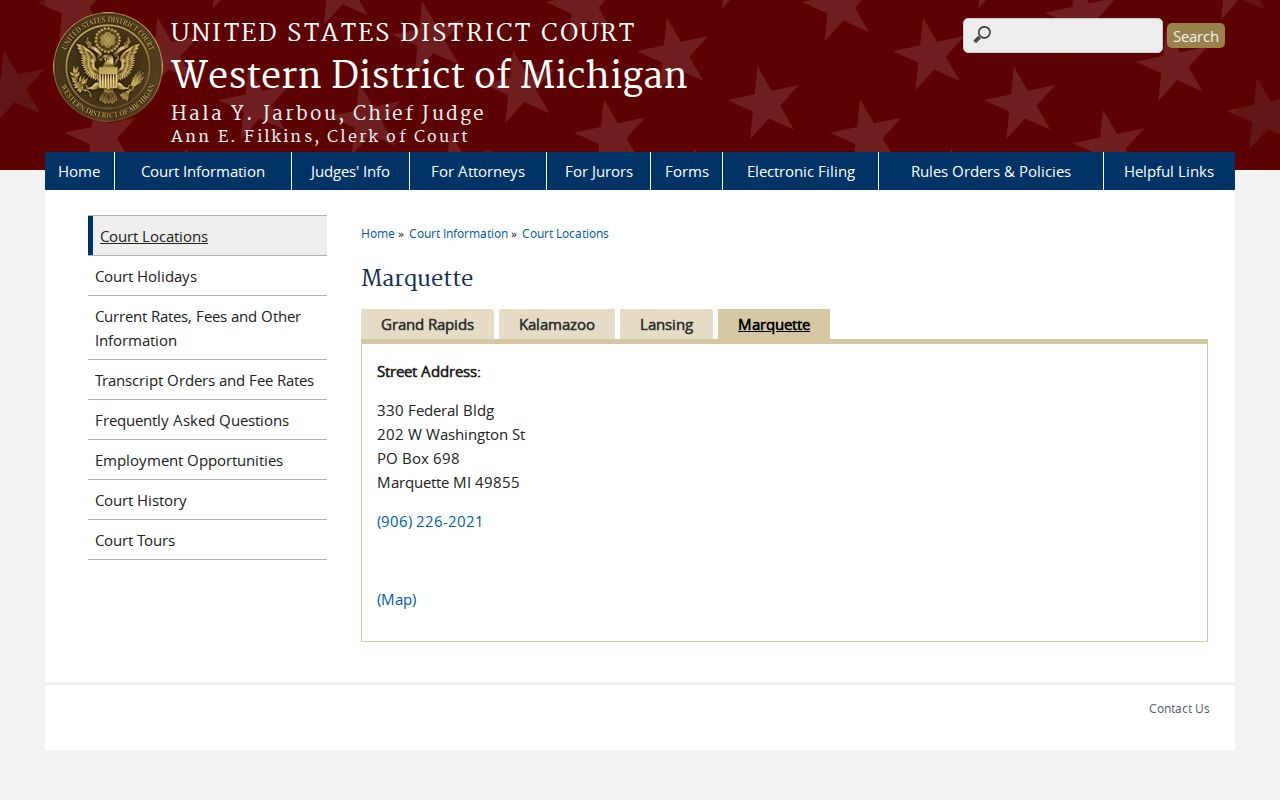
Route a federal question to that court or to counsel.